
Smash, Spin, Soar: The Beginner’s Guide to Table Tennis
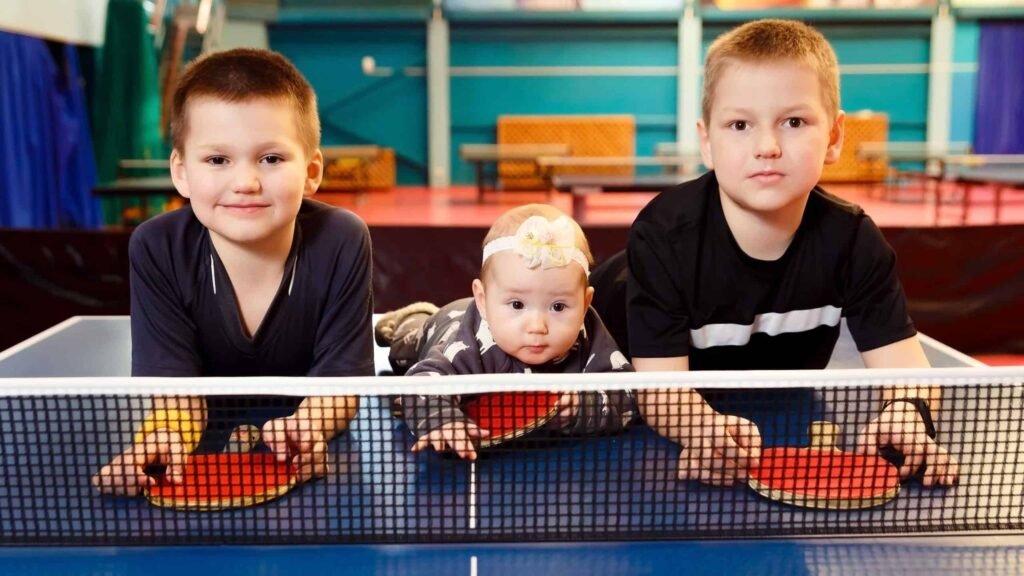
Table tennis may look small—just a tiny ball, a slim paddle, and a compact table—but it hides a world of speed, strategy, and exhilaration. Each spin, smash, and rally tests reflexes, timing, and instinct. For beginners, the thrill comes first, but real improvement demands more than excitement: it demands a foundation. The secret isn’t brute strength; it’s posture, touch, footwork, and technique. Master these, and the game transforms from a pastime into a high-speed dance of skill and precision.
Posture and Grip: Your Launchpad
Every great shot begins at the feet. Stand with your feet shoulder-width apart, knees bent, weight balanced on the balls of your feet, body leaning slightly forward—ready to spring, pivot, or lunge at a moment’s notice.
Grip matters just as much. The shakehand grip lets you transition smoothly between forehand and backhand strokes, perfect for beginners seeking balance. The penhold grip offers wrist flexibility for magical spins but demands finesse. Whatever grip you choose, keep your wrist relaxed. A stiff wrist kills control before the ball even leaves the paddle.
Dancing With the Ball: Ball Control
A player’s true weapon is touch. Start with simple exercises: hit the ball back and forth from forehand to backhand—30 times, then 50, then 100. Progress to wall drills, picking a spot and striking repeatedly, stepping back slowly to challenge your control. Each bounce trains hand-eye coordination, rhythm, and feel. Fifteen minutes a day turns hesitation into instinct, and soon the ball feels like an extension of your hand.
Basic Strokes: Offense Meets Defense
-
Forehand Attack: Whip your waist and arm, strike at the peak, and recover instantly.
-
Backhand Push/Block: Lead with your forearm, pivot at the elbow, and angle the paddle for precision.
-
Serve: Start simple with flat tosses, then graduate to tricky backspin and sidespin serves that keep opponents guessing.
Speed and power come later. For now, focus on rhythm, smooth motion, and consistency.
Footwork: Become the Shadow of the Ball
Footwork is the heartbeat of your game. Great players move before the ball lands, anticipating every bounce. Without agile feet, even perfect strokes fail.
Key moves include single steps for small adjustments, stride steps for covering distance, parallel steps for rhythm, jump steps for explosive bursts, cross steps for wide angles, and mini steps for subtle refinements. Shadow drills, multi-direction practice, and routines inspired by elite players train speed, balance, and spatial awareness. Just 5–10 minutes daily can make you feel unstoppable.
Train Smart: Consistency Over Strength
For beginners, structure beats intensity. A 45-minute session might include:
-
Warm-up & ball control: 5 minutes
-
Stroke repetition: 20 minutes
-
Footwork + stroke combination: 15 minutes
-
Cool-down & stretch: 5 minutes
Training three to five times a week accelerates progress. Random play is fun, but deliberate practice transforms casual players into confident competitors.
Gear Up: Your Paddle Is Your Wand
Your paddle is your magic wand. A 5- or 7-ply all-wood blade offers stability and feedback. Smooth inverted rubber with 1.8–2.0 mm sponge balances spin and control. Pre-made paddles are convenient, but self-assembled paddles let you adapt and improve as you grow.
The Spirit of Play
Table tennis isn’t just mechanics—it’s a rhythm, a conversation between body and ball. Every rally pulses with energy, every well-timed step is a dance move, every spin a small victory. Within weeks, careful attention to form, footwork, and touch transforms nervous flailing into smooth, confident play. The tiny ball and slim paddle suddenly feel like instruments, and the table becomes a stage where skill, strategy, and joy come alive.
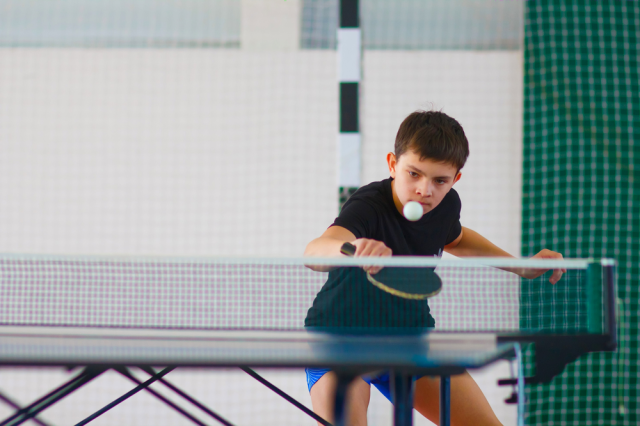
Above all, remember: it’s supposed to be fun. Every point is an opportunity to laugh, improve, and connect with the game. Play, experiment, and keep moving. The moment you feel the ball responding to your paddle, the game will stop being just a sport—it will become an exhilarating flow of movement, strategy, and joy.