
Playing Your Way to Mastery: Choosing the Table Tennis Style That Moves With You
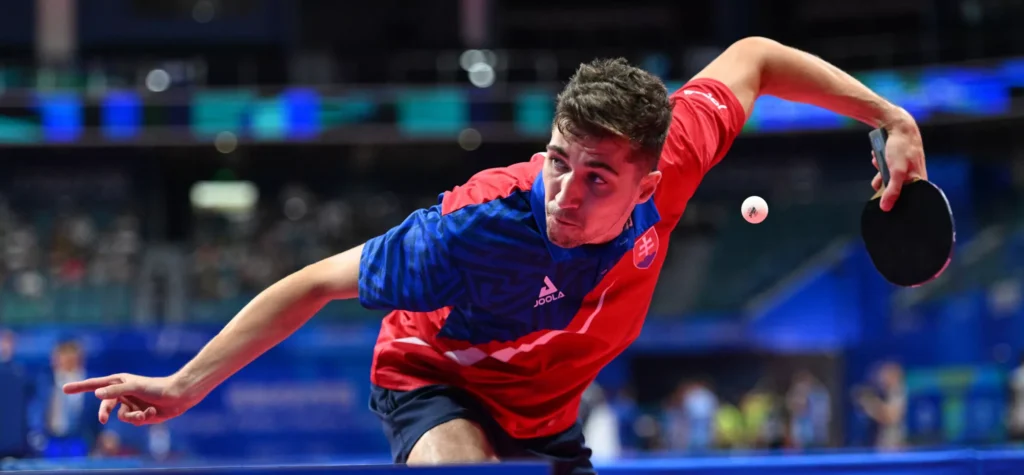
Table tennis is often underestimated. To an outsider, it might look like a tiny ball bouncing aimlessly across a table. But to those who step up, paddle in hand, it becomes a dance of precision and instinct, where every flick of the wrist, shift of the feet, and heartbeat of anticipation matters. Some players spend years chasing the rhythm, while others, almost mysteriously, seem to find it in months. True mastery, however, is not simply practice—it is the discovery of how body, mind, and intuition can move as one, each shot a conversation between skill and instinct.
Beginners often start with excitement, diving into drills and matches, only to encounter frustration as progress drags painfully slow. Spins twist unpredictably, the ball resists their commands, and patience is tested with every return. Yet a rare few rise above, moving as though the ball obeys their will. They don’t necessarily know more tricks—they understand harmony, shaping a style that flows naturally from their body and mind. In its seeming simplicity, table tennis becomes a mirror: a challenge of focus, resilience, and self-awareness, revealing that mastering the game is also a journey to mastering oneself.
The Symphony of Styles
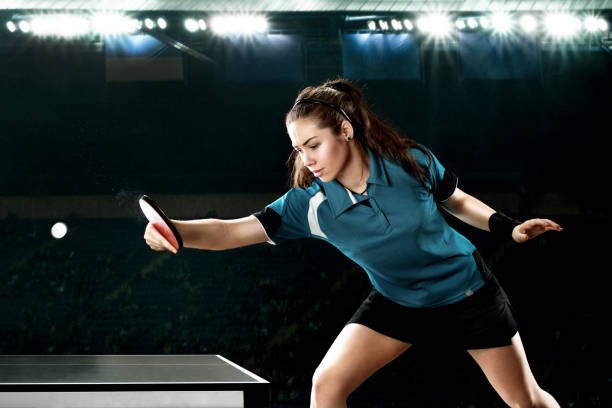
Every table tennis player, whether they realize it or not, has a style—a rhythm that shows how they attack, defend, and control the game. Experts around the world recognize five main style categories, with eighteen unique ways to play.
Fast Attack Styles: Like a lightning bolt across the table. These players are quick, aggressive, and unstoppable, turning tiny openings into points in the blink of an eye. Every smash and push is sharp and powerful, keeping opponents on their toes.
Looping Styles: The art of spinning the ball. Each shot curves and arcs gracefully, combining patience and precision. Loops are tricky—they lure opponents into chasing balls along invisible paths, making every rally a test of focus.
Defensive/Chopping Styles: The art of patience. Choppers absorb attacks and send the ball back with clever angles and timing. Every shot is a challenge, testing focus, strategy, and endurance.
Chop-Attack Combinations: The ultimate all-rounders. These players can switch between defense and offense seamlessly, flowing with the rally and surprising opponents with clever moves.
Fast-Loop Styles: Speed meets spin in an exciting mix. The ball whizzes and curves unpredictably, demanding full attention. These players combine control and instinct in a fast, dazzling display that keeps every opponent guessing.
Equipment as an Extension of Self
Choosing a paddle and rubber is more than a technical decision—it’s a statement of who you are as a player. Straight or shakehand grip? Soft or stiff rubber? Inverted or pimpled? Each choice changes the way you move, strike, and react. The paddle becomes part of your arm, the rubber an amplifier of your intent. A penhold paddle fits like a glove for quick wrist flicks and fast, close-to-the-table attacks. Shakehand paddles give reach and power, letting you swing wide and play with more versatility.
Rubber choice tells even more about a player. Aggressive players pick inverted or short-pip rubbers to attack with force. Spin-focused players love inverted rubbers, carefully shaping the ball’s path. Players who like surprises mix long and short pips, tricking opponents with unpredictable spins. Defensive masters rely on anti-spin rubber, turning the fiercest attacks back on their challengers. In the end, the paddle and rubber aren’t just tools—they’re an extension of the player’s style, instincts, and personality.
Playing Style as Personal Signature
A player’s style is more than just technique—it’s a reflection of who they are. Young, quick, and energetic players shine with two-sided looping styles, using speed and endurance to dominate rallies. Strong, confident players rely on short pips or inverted attacking rubbers, hitting hard and controlling the game with authority. Older or less physically powerful players often favor hybrid styles, blending careful control with opportunistic strikes. Watchful defenders master anti-spin techniques, turning every opponent’s attack into their own advantage. Quick and light players embrace fast-loop styles, relying on timing and agility rather than brute strength. Those with sharp instincts and lightning-fast reflexes thrive with penhold, near-the-table attacks, transforming rapid exchanges into a dazzling display.
Training helps reveal your true style. The sooner it shows itself, the faster you improve. Wait too long, and frustration builds. Finding your style isn’t just about winning points—it’s about discovering how your body, mind, and instincts work together, making the game truly your own.
The Path to Mastery
Start with the Basics: Begin with a simple wooden paddle and balanced rubber. Focus on developing touch and feel, not relying on fancy equipment. Once your hands learn the ball, the paddle and rubber become extensions of your own style, amplifying what you can already do.
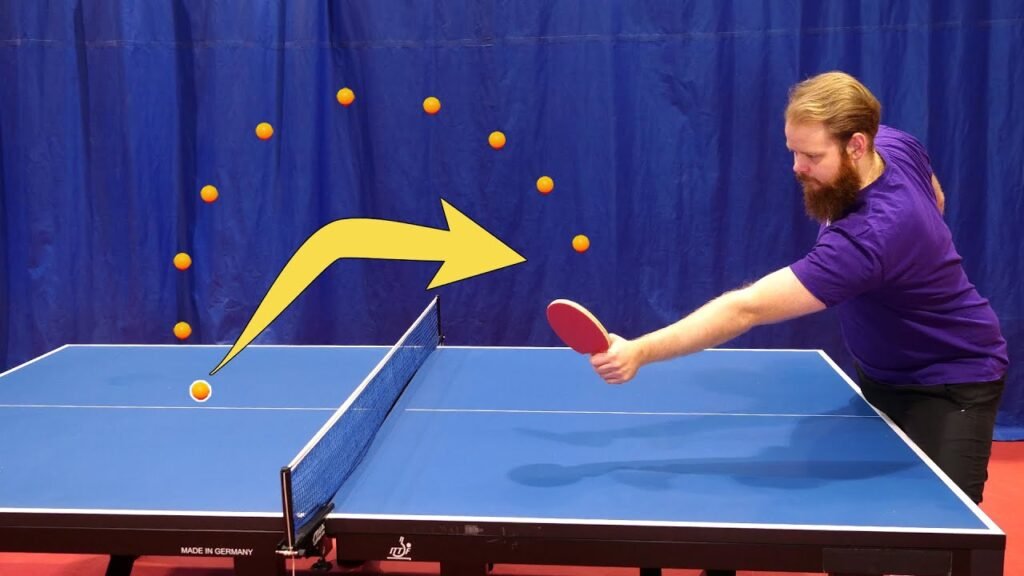
Train with Purpose: Work on one technique at a time. Multi-ball drills might feel repetitive, but they sharpen skills faster than chaotic match play. Practicing with a small, committed group turns every session into a lab for discovery, where every hit teaches something new.
Balance Theory and Practice: Table tennis is more than reflexes—it’s a game of physics. Spin, angles, and momentum shape every shot. Without understanding them, practice can feel like random hitting. Theory guides your moves, practice locks them in, and together they form the foundation of true skill.
Embrace Your Strengths: Not every shot works for every player. Speed, accuracy, power, variation, and spin are ideals, but mastery comes from knowing your own strengths. Focus on a few key elements and weave them into a style that’s uniquely yours, turning your game into a personal signature.
Conclusion: Play Your Own Game
The greatest victory in table tennis isn’t just about trophies—it’s about finding harmony between your mind, your body, and your paddle. When you discover a style that fits your strengths, paired with equipment that feels like a natural extension of yourself, every practice turns into an adventure of learning and joy. True mastery doesn’t come from copying others; it comes from understanding—the ball, the strategy, and, most importantly, yourself.
When you reach that balance, table tennis becomes more than a sport. It turns into a dance, a challenge, and a work of art all at once. The table is no longer just a battlefield—it’s a canvas. Every spin, smash, and flick of the wrist is a brushstroke, and you, the player, are the artist, creating your own masterpiece with every rally.
Play More
The game stops being a challenge and starts becoming a part of you.